
USB CONNECTIVITY · PROJECT SOURCING
USB Wi-Fi Adapter Sourcing for Managed PCs
Define the PC groups before you buy the batch. Compare documented USB Wi-Fi models around your system images, network requirements and deployment responsibilities, then request a configuration-specific quote.
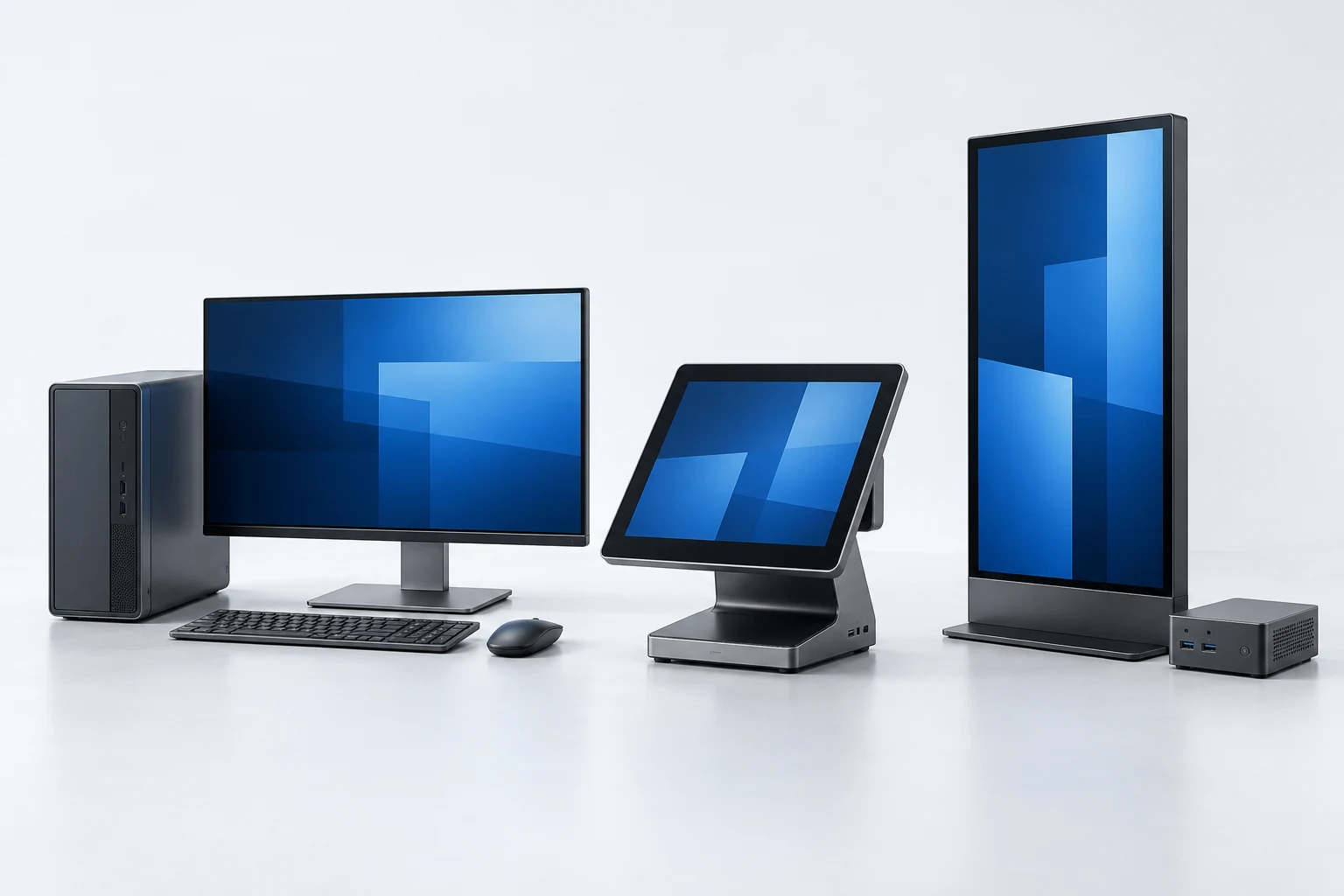
Managed-PC host concept. Not a customer deployment, LGX management platform or compatibility demonstration.
START WITH THE HOST
One buying list can contain several host groups.
A mixed fleet should not be treated as a single generic “Windows PC”. Different CPU architectures, managed images and installation policies can change the driver and acceptance requirements. Separate those groups before deciding whether one adapter configuration can cover the order.
Group the hosts
List the PC families, CPU architecture, exact OS image and installation restrictions. Office PCs and a teaching lab can use the same purchasing framework without assuming the same approved configuration.
Agree the trial
Define the required network authentication, driver format and the workload to check. Have the IT owner approve the sample on the intended image before using that result for the batch.
Identify the delivery
Record the accepted model/revision, packing set and driver/documentation responsibilities. Agree how proposed substitutions or hardware changes will be reviewed on repeat orders.
DEFINE THE DELIVERY
Match the buying route to who receives the product.
Keep the physical installation, host software and order configuration in the same discussion. Request a specific delivery set rather than assuming that accessories or driver work are included.
The deployment and network policy remain with the IT owner. No LGX endpoint-management software or automated rollout service is implied.
Internal IT or deployment partner
Use this route for adapters that will be installed on a defined fleet. Include host groups, network policy, driver handoff and acceptance conditions with the quantity request.
Distributor or reseller
Use the wholesale route for resale assortments, packing requirements and repeat-order discussions. A reseller purchase and a managed-PC rollout can require different documentation and support handoffs.
Explore wholesale supply →REAL MODEL RECORDS
Documented models for an IT purchasing discussion

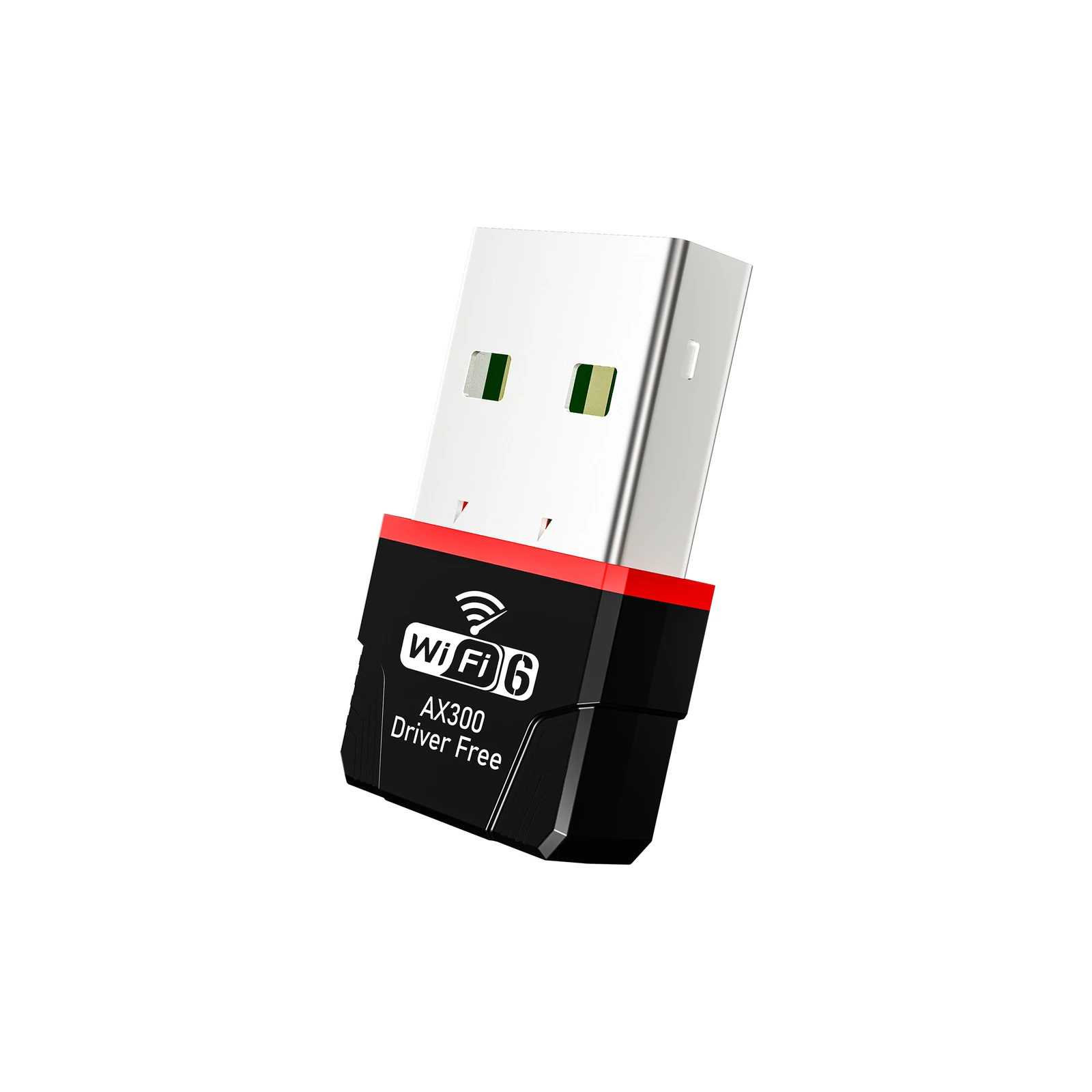
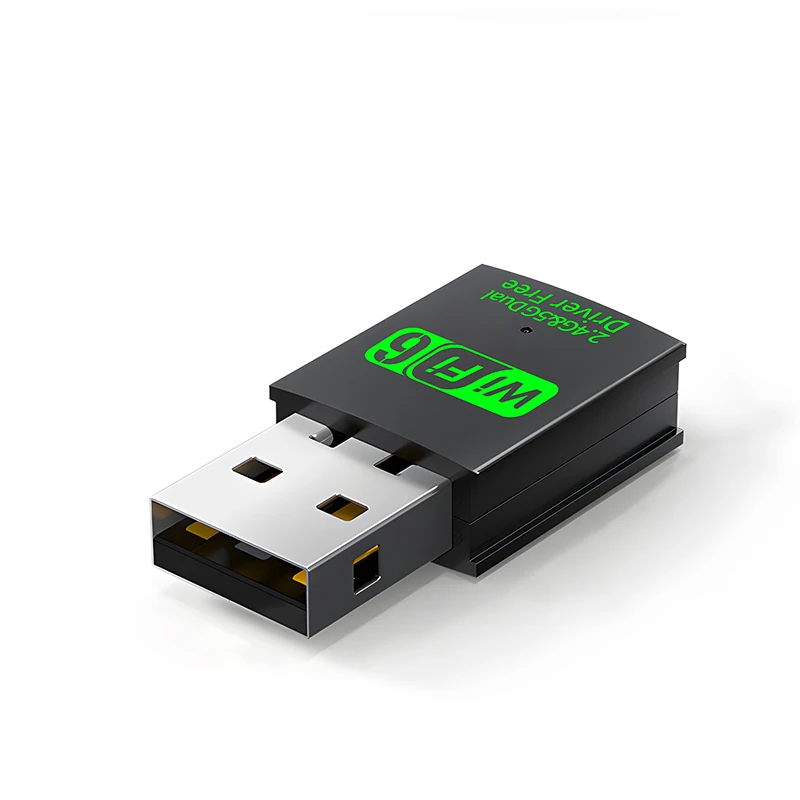
This is a purchasing comparison, not a fleet compatibility or enterprise-authentication certification. Exact hardware, software and policy checks remain host-specific.
MAKE THE ENQUIRY USEFUL
Give the project a clear starting point.
You can enquire without choosing a model. Describe the host and intended assembly, then use the documented options to narrow the discussion.
PC family, CPU architecture, OS/build, image owner and who can install drivers.
Bands, authentication and security requirements approved by the IT/network owner.
The actual system image, workload and restart/recovery conditions to verify.
Quantity by configuration, hardware identity, packing set and change/substitution approval process.
BUYER QUESTIONS
Resolve the decision before the order.
Specific host support, delivery contents and acceptance requirements belong to the actual configuration.
Can one USB Wi-Fi model cover the whole fleet?
Does a WPA3 or Wi-Fi 6 label prove enterprise-network support?
Can you quote without a selected model?
Technical background and source scope
ALFA compatibility documentation — A compatibility record identifies model, chipset, USB ID and OS; its results are not transferred to LGX.
LGX product attributes come from the project’s existing model records and factory reply. No named host validation is claimed here.
YOUR NEXT STEP
Discuss the configuration you need.
Share the host, quantity and installation requirements. A quote should identify the model or board revision, requested delivery set and software scope.